Bar Hardening & Tempering Equipment
Hardness where the bar needs it, toughness where it doesn't crack — a two-stage induction cycle purpose-built for long shafts and bar stock.
Harden, then temper — two stages, one line
Hardening: steel is heated to 850–900°C then rapidly cooled in water or a water-soluble polymer mix, increasing hardness in steels carrying roughly 0.3–0.7% carbon. Tempering follows — heating at a lower temperature with gradual cooling, which reduces brittleness and improves toughness while holding the hardness the part still needs.
For long bars specifically, we offer two application methods: static hardening, where the whole zone heats at once, and progressive hardening via scanning, where the coil and quench travel the length of the bar — the better fit when a single-shot coil isn't practical.
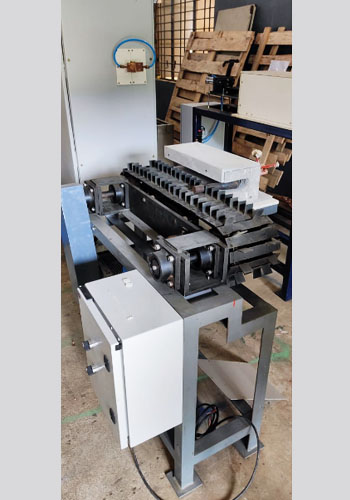
Control at every stage of a two-step cycle
- Targeted treatment of specific sections along the bar
- Frequency and timing regulated at both hardening and tempering stages
- Non-contact heating, adjustable cooling rate
- Static or progressive/scanning hardening for different bar lengths
- Production-line integration ready
Common questions about this process
What's the difference between hardening and tempering?
Hardening heats steel to 850–900°C and quenches it rapidly to increase hardness. Tempering follows at a lower temperature with gradual cooling, which reduces brittleness and improves toughness while keeping the hardness the part needs.
What bar lengths can be processed?
Both static hardening (the whole zone heats at once) and progressive hardening via scanning (the coil and quench travel the bar's length) are available, so long bars a single-shot coil can't cover are handled by the scanning method.
Why temper after hardening instead of leaving the part as-hardened?
As-hardened steel is very hard but brittle. Tempering trades a small amount of hardness for a large gain in toughness, which is what most in-service bar and shaft applications actually need.
Need a hardening + tempering line for bar stock?
Tell us the bar length, material grade, and required hardness — we'll spec the two-stage system.