Built for the industries that can't tolerate inconsistent heat treatment
Automotive components, foundries, and general engineering shops all come to induction heating for the same reason — repeatability that a flame or an open furnace can't match.
Precision parts, production volumes
Shafts, gears, and wear surfaces in automotive and two-wheeler components need consistent case depth across thousands of identical parts — exactly the kind of repeatable, electronically controlled heating induction is built for. This is the largest segment we've engineered equipment for, including companies such as Royal Enfield, WABCO, Lucas-TVS, Rane, Brakes India Limited, Sundram Fasteners, Sundaram Brake Linings, Pricol, Stanadyne, and Usui.
Composition checks that don't lie to you
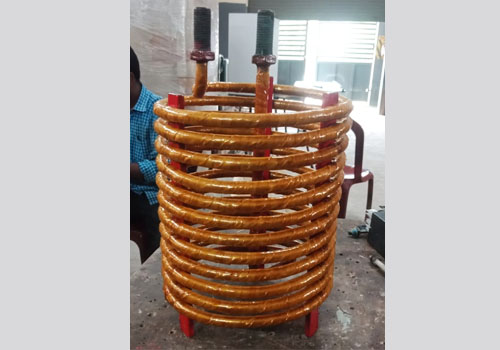
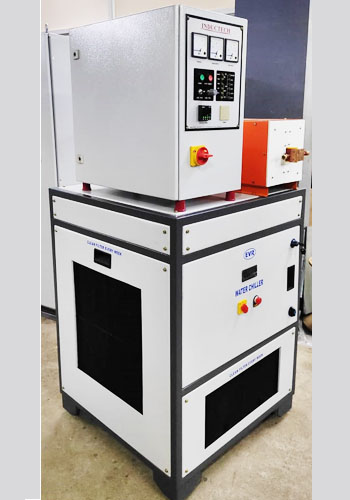
Before committing a full charge, foundries and mini steel plants need to know exactly what's in it. Our 1–10kg, 5–250kW induction melting furnaces are built for that job specifically — small, clean, fast melts of steel, iron, copper, brass, and precious metals, without the contamination risk that comes with arc or crucible melting on a small sample.
Forging, joining, and stress relief on the same production line
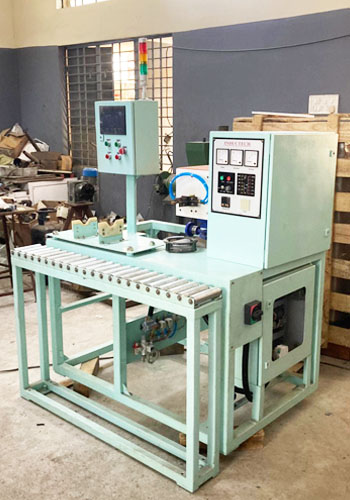
Fabrication shops running forging, brazing, or welded assemblies need heat treatment that fits into an existing line rather than adding a separate furnace stage. Induction pre-heat ahead of a press, brazing cells for joining dissimilar metals, and stress relieving after welding are all built to integrate directly into that kind of production flow.
Don't see your industry listed?
If it involves heating metal precisely and repeatably, there's a good chance induction is the right tool. Tell us the part and process.